
Health literacy. It’s not confrontation. It’s preparation.
I hear it from women every day: “I want to speak up, but I don’t know what to say,” or “I’m afraid I’ll sound like I don’t know what I’m talking about.” And my personal favorite, “I don’t want to be THAT patient.”
If you’ve ever felt “not confident enough” to advocate for yourself, it’s not you — it’s a lack of health literacy. In the world of VTE, being “literate” doesn’t mean having a medical degree. It means having the tools to find, understand, and use health information as a partner in your care. A partnership two hematology-oncology physicians made the case for in ASH’s own publication:
Patient and caregiver education is equally essential. Programs that support self-efficacy, teach evidence-based interventions, and promote supportive care will empower families and foster shared decision-making.
Gowin & Shah, ASH Clinical News, 2025Here are the tools I started with to become “THAT” patient. 😉
Two tools. One goal. Better conversations with your care team.
How you communicate — expressing ideas, interacting with others, and managing conflict — and how you learn — processing and storing new information most effectively — work together in a doctor’s office to create, or break, the experience. Let your interactive style be known upfront. If you don’t know your style, the two quizzes below will help you find it and convey it to your care team.
How do you learn best about your health?
Find out whether you process health information best through visual frameworks, video explanation, written guides, or real-world examples, and get personalized recommendations for how to get the most from this platform.
Take the Learning Style QuizWhat’s your patient communication style?
Discover whether you’re a Researcher, Collaborator, Delegator, or Narrator, and get appointment scripts, provider tips, and strategies tailored to how you naturally communicate in medical settings.
Take the Communication Style QuizHow were these tools developed? Both quizzes are original tools developed for Speaking of Blood Clots, informed by learning modality and patient communication research, including the VARK framework referenced in hematology patient education literature. They are not clinical assessments.
Where to go for the clinical foundation.
Medical guidelines are the evidence-based frameworks doctors use to inform treatment decisions. When you know what the research says about your condition, you have a benchmark. The result: you can ask, “The current guidelines suggest X — how does that apply to my specific case?” This shifts the dynamic from asking permission to collaborating on a plan.
American Heart Association
The AHA classifies VTE as a cardiovascular event, which is the framing that changed everything for me. Their peer-reviewed research is where I go when I need to understand the science behind why lifestyle belongs in the post-clot conversation.
Visit Heart.org →American Society of Hematology
ASH publishes the clinical guidelines that hematologists use to make treatment decisions, including anticoagulation duration and recurrence risk assessment. Their patient-facing resources are underused and worth knowing about.
Visit Hematology.org →Centers for Disease Control
The CDC tracks the population-level burden of VTE, incidence, mortality, and recurrence statistics. When this platform cites numbers like 100,000 annual deaths or 30% recurrence risk, those figures trace back here.
Visit CDC.gov →International Menopause Society
The IMS publishes global clinical guidelines on menopause and midlife women’s health, with an explicit focus on the whole woman, including lifestyle, cardiovascular health, and long-term wellbeing.
Visit IMSociety.org →American College of Lifestyle Medicine
ACLM is the clinical home for evidence-based lifestyle medicine. Their six pillars form the framework this platform is built on. Val is a member.
Visit LifestyleMedicine.org →Society for Vascular Surgery
The SVS is where I found an explicit clinical statement that lifestyle belongs in vascular care, not as a footnote, but as a foundation.
Visit Vascular.org →The videos that helped me understand the science.
Before I could ask better questions, I needed to understand the basics. These aren’t clinical references, they’re the videos I watched when I was trying to make sense of what was happening inside my body. I share them because they worked for me, not because anyone asked me to.
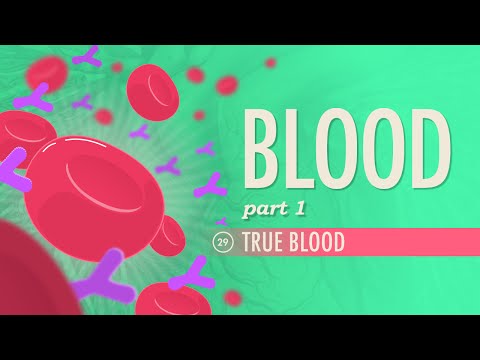
Blood, Part 1 — True Blood
What blood actually is, what’s in it, and what each component does. The foundation for understanding why clotting happens at all.
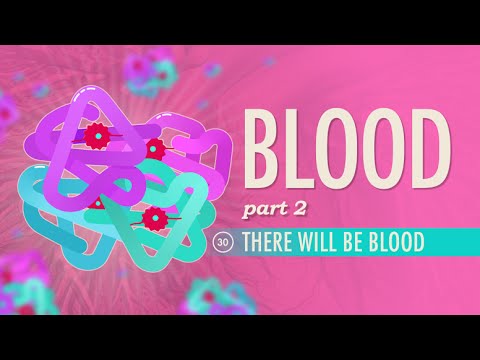
Blood, Part 2 — There Will Be Blood
How the clotting cascade works, the step-by-step process from injury to clot formation. This is where anticoagulation and thrombophilia finally made sense to me.
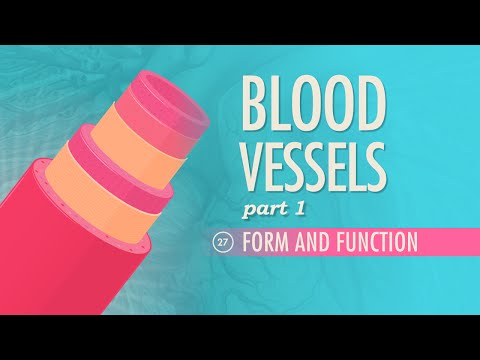
Blood Vessels, Part 1 — Form and Function
The structure of arteries, veins, and capillaries, and why vessel health matters for everything downstream.
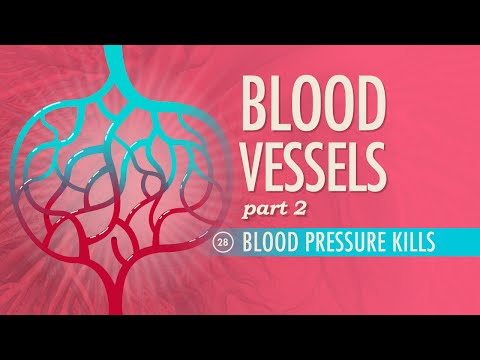
Blood Vessels, Part 2 — Blood Pressure Kills
How blood pressure, blood flow, and cardiovascular regulation work together. This helped me understand why VTE is classified as a cardiovascular event, not just a plumbing problem.
These videos are shared for educational purposes. Val has no affiliate relationship with CrashCourse or its creators. All links open YouTube in a new tab.
How risks add up over time.
A blood clot rarely has a single cause. This shows how baseline factors, lifestyle contributors, and acute triggers stack — and why the accumulation model matters for how you think about your own history.
Baseline Factors
- Age
- Genetics / thrombophilia
- Prior clot history
- Sex hormones
Present before any event. Some modifiable, some not.
Persistent Contributors
- Obesity / metabolic syndrome
- Chronic inflammation
- Sedentary behavior
- Sleep disruption
Ongoing conditions that raise baseline over time. Lifestyle-addressable.
Acute Triggers
- Surgery / hospitalization
- Long-haul travel
- Hormonal medication
- Injury / immobility
Time-limited events that push accumulated risk past threshold.
Risk accumulates. Lifestyle addresses the middle column.
This model is educational, not diagnostic. Individual risk depends on many factors your care team is best positioned to evaluate. Adapted from Mwansa, Zghouzi & Barnes (2023).
About This Page
30 terms nobody explained — well, 15 of them.
A note before this section: your original list had 30 terms. I’ve narrowed it to the 15 that are specifically about health literacy and lifestyle medicine — the core of what this platform teaches. The other 15 (INR, DOACs, Factor V Leiden, tPA, and similar) are genuinely useful terms, but they’re general VTE/hematology vocabulary rather than literacy or lifestyle-specific — they’d fit better in a broader “understanding your diagnosis” glossary if you ever want to build one separately. Review this cut list before publishing — a few (like Saddle PE or CVI/PTS, both personal to your story) are judgment calls you may want to overrule.
Thirty — well, fifteen — terms that come up constantly in the post-clot experience, defined in plain language, with context for why they matter. Not a clinical reference. A conversation starter.
The ability to find, understand, and use health information to make informed decisions about your care. Health literacy is not about intelligence — it is about access, language, and confidence in the medical setting. Low health literacy is associated with worse outcomes across conditions including VTE.
An evidence-based clinical discipline focused on the role of lifestyle behaviors — nutrition, physical activity, sleep, stress management, social connection, and substance avoidance — in the prevention and management of chronic disease. Val is a member of the American College of Lifestyle Medicine (ACLM).
The degree to which a patient has the knowledge, skills, and confidence to manage their own health. A highly activated patient asks questions, understands their diagnosis, participates in treatment decisions, and takes consistent action outside of appointments. One of the strongest predictors of long-term health outcomes.
A conversation between patient and provider where both contribute to a treatment decision. The provider brings clinical knowledge. You bring personal values, life circumstances, and preferences. Shared decision-making is the standard of care in VTE management, but it requires you to be informed and willing to participate.
Beyond the formal definition of informed consent, informed participation is the ongoing practice of staying engaged, asking questions, and understanding the reasoning behind your care — not just signing a form. The difference between being a patient and being a participant in your own health.
The overall condition of your blood vessels — their flexibility, inflammation levels, and ability to regulate blood flow. Vascular health is shaped over years by lifestyle habits including diet, movement, sleep, and stress management. It is the broader context in which VTE risk lives.
Conditions related to the body’s metabolism — including obesity, insulin resistance, elevated triglycerides, and chronic inflammation — that influence vascular health and clotting risk. Not typically included in standard VTE provocation checklists, but research increasingly links them to unprovoked clotting events.
A persistent, low-grade inflammatory state associated with obesity, poor diet, chronic stress, and sleep disruption. Chronic inflammation affects the endothelium — the lining of blood vessels — and is increasingly recognized as a contributor to vascular and cardiovascular risk including VTE.
The thin layer of cells lining the inside of blood vessels. A healthy endothelium resists clotting and regulates blood flow. When damaged or inflamed — by conditions like obesity, smoking, chronic stress, or high blood pressure — the risk of clot formation increases.
A dietary approach focused on foods that reduce chronic inflammation — primarily whole plant foods, omega-3 rich sources, and minimally processed options — while limiting foods that promote inflammation such as refined carbohydrates, processed meats, and added sugars. Directly relevant to vascular health and post-clot recovery.
The three conditions that together create the environment for a blood clot: stasis (slowed blood flow), endothelial injury (damage to the vessel wall), and hypercoagulability (increased clotting tendency). The foundational framework for how clinicians think about clot risk, and one every survivor deserves to understand.
A clot that occurred without an obvious trigger like surgery, hospitalization, injury, or cancer. The label describes what wasn’t present, not what was. Many women with unprovoked clots have unaddressed lifestyle and metabolic risk factors that aren’t captured by standard checklists.
The likelihood of experiencing a second clot after a first event. Roughly 30% of survivors experience a recurrent event within five years, a figure most patients are never told. Risk varies based on whether the first clot was provoked or unprovoked, clot location, genetic factors, and ongoing lifestyle conditions.
A long-term condition where the veins in the legs have difficulty returning blood to the heart efficiently. A common after-effect of DVT, CVI causes swelling, heaviness, and discomfort. Not always discussed in post-clot follow-up, but a lasting marker that clots leave on the body.
A long-term complication of DVT where damaged vein valves cause chronic pain, swelling, and sometimes skin changes in the affected leg. PTS affects a significant portion of DVT survivors and is one of the most underrecognized post-clot conditions.
This glossary is for educational purposes only and is not a substitute for medical advice. Always consult your care team for guidance specific to your clinical situation.
Advocacy isn’t about being “difficult” or “loud.” It’s about being informed. When you understand the evidence and the language of your health, the confidence to speak up follows naturally. You are the only person who is an expert on your life.
Val Conley, VTE Lifestyle Educator & Blood Clot Survivor